
How Long Do Asphalt Shingles Last? Signs Your Roof Is Aging (and What to Do)

G

By refinedsurfaces

Last updated: September 11, 2026

Enjoyed This Guide? Add GoNano As A Preferred Source On Google To See More Like It.
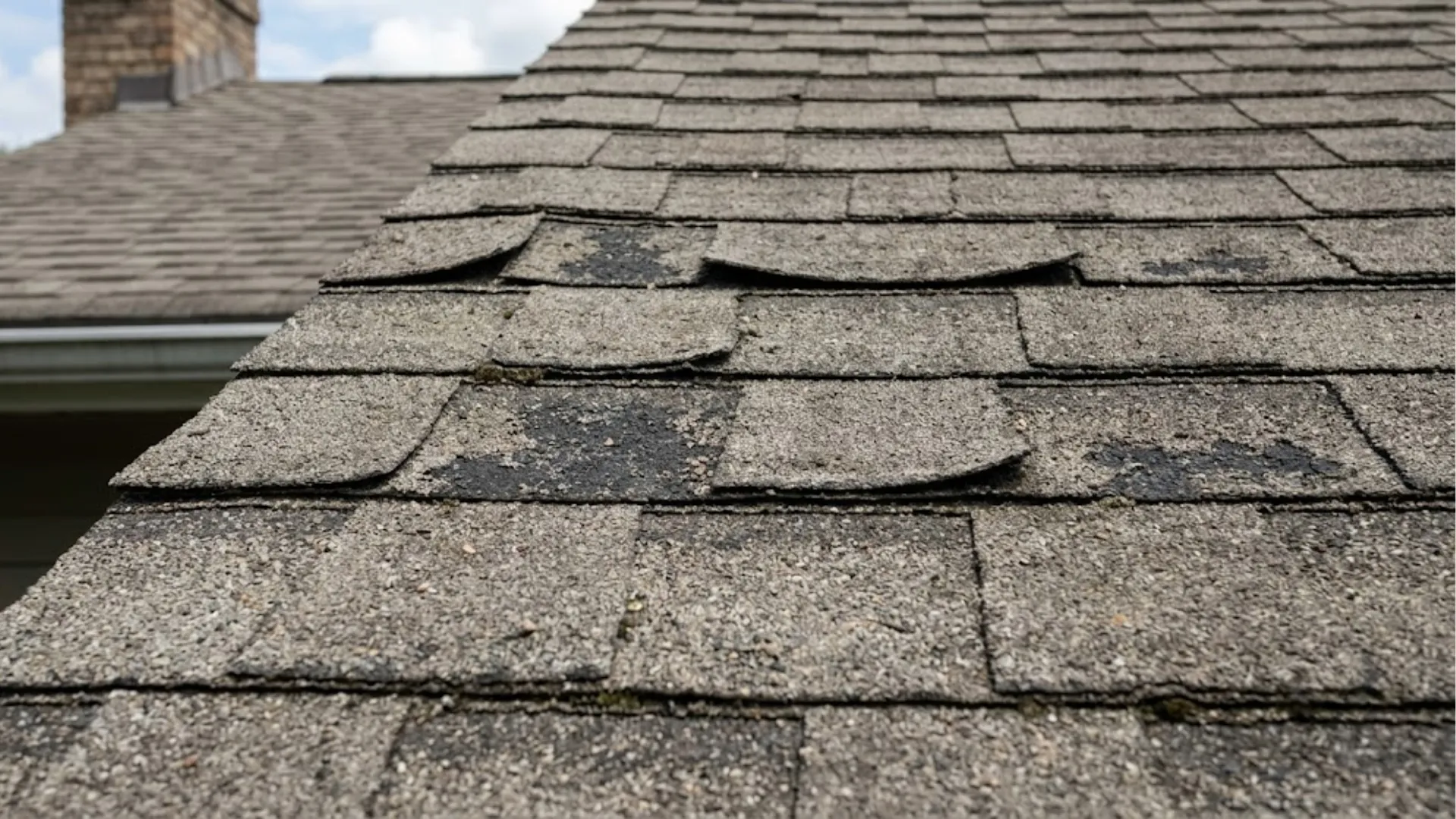
Most asphalt shingle roofs last about 15 to 30 years, roughly 15 to 20 for basic 3-tab shingles and 20 to 30 for architectural shingles, depending on climate, ventilation, and installation quality. But here’s what matters more than the number: shingles start aging years before they truly fail, and that aging window is when you have the most options, and the most money to save.

How Long Do Asphalt Shingles Actually Last?

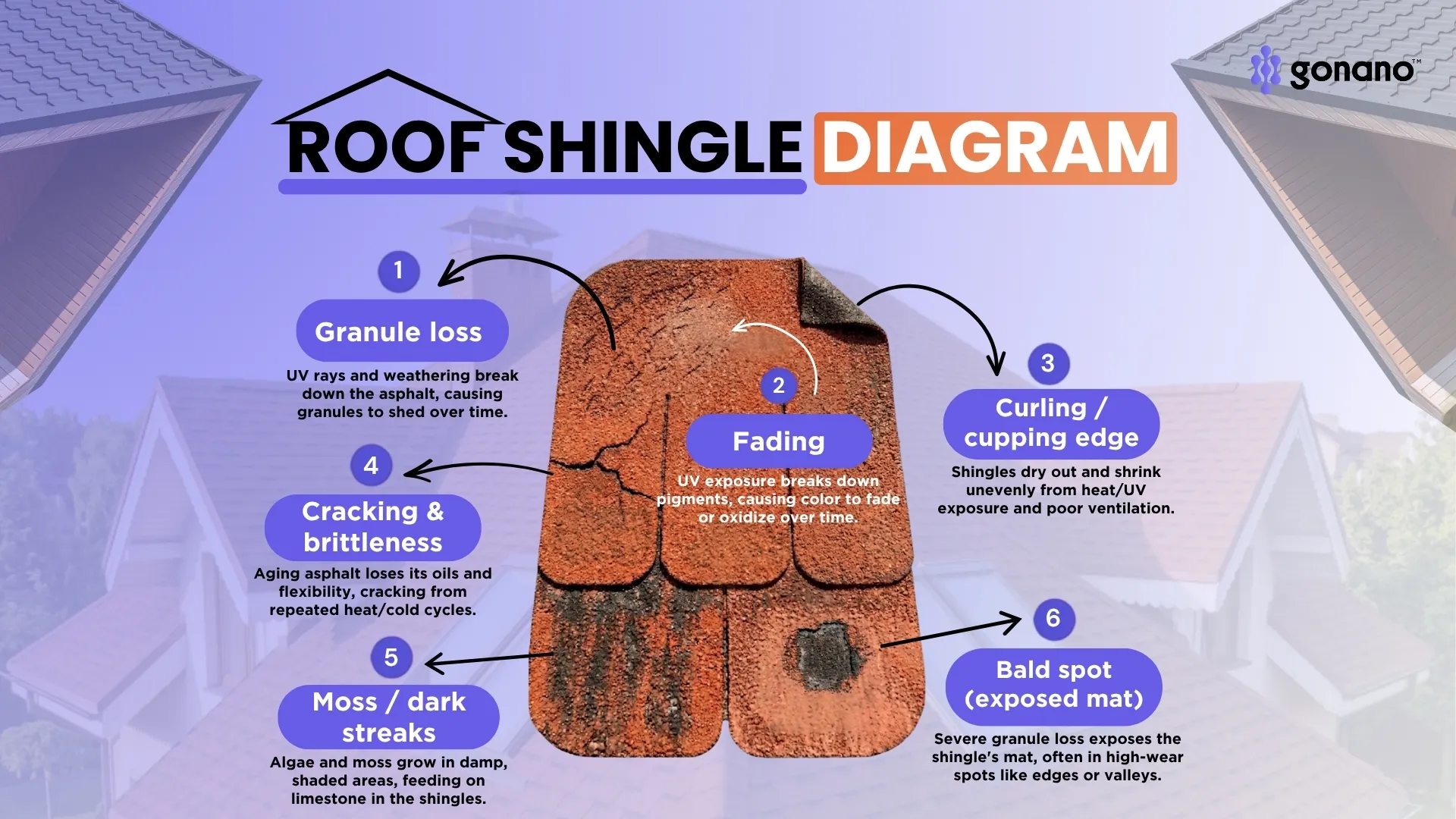
Lifespan depends mostly on the shingle type:

Your Fall Roof-Prep Checklist

Work through these before the first hard freeze:
01

3-tab shingles

‎ about 15 to 20 years

02

Architectural (dimensional) shingles

‎ about 20 to 30 years.

03

Premium/designer shingles

about 25 to 30+ years

Those are ranges, not guarantees. Real-world lifespan is pulled down by harsh sun and heat, freeze-thaw cycles, poor attic ventilation, storm exposure, and rushed installation. It’s also worth knowing that a shingle’s advertised “lifespan” and its warranty term are marketing numbers, and many roofs need attention well before the label suggests. (For why those warranty numbers rarely match reality, see how the cost compares to replacement.)

Why Asphalt Shingles Age

Asphalt shingles depend on petrochemical oils to stay flexible and waterproof. Sun, heat, rain, wind, and freeze-thaw cycles slowly drive those oils out. As the oils deplete, the shingle dries out, grows brittle, and starts to crack, curl, and shed the protective granules that shield it from UV. That drying-out process is the real clock on your roof, and it’s the same process roof rejuvenation is designed to slow and partly reverse.

Signs Your Roof Is Aging

Watch for these, roughly in the order they tend to appear:
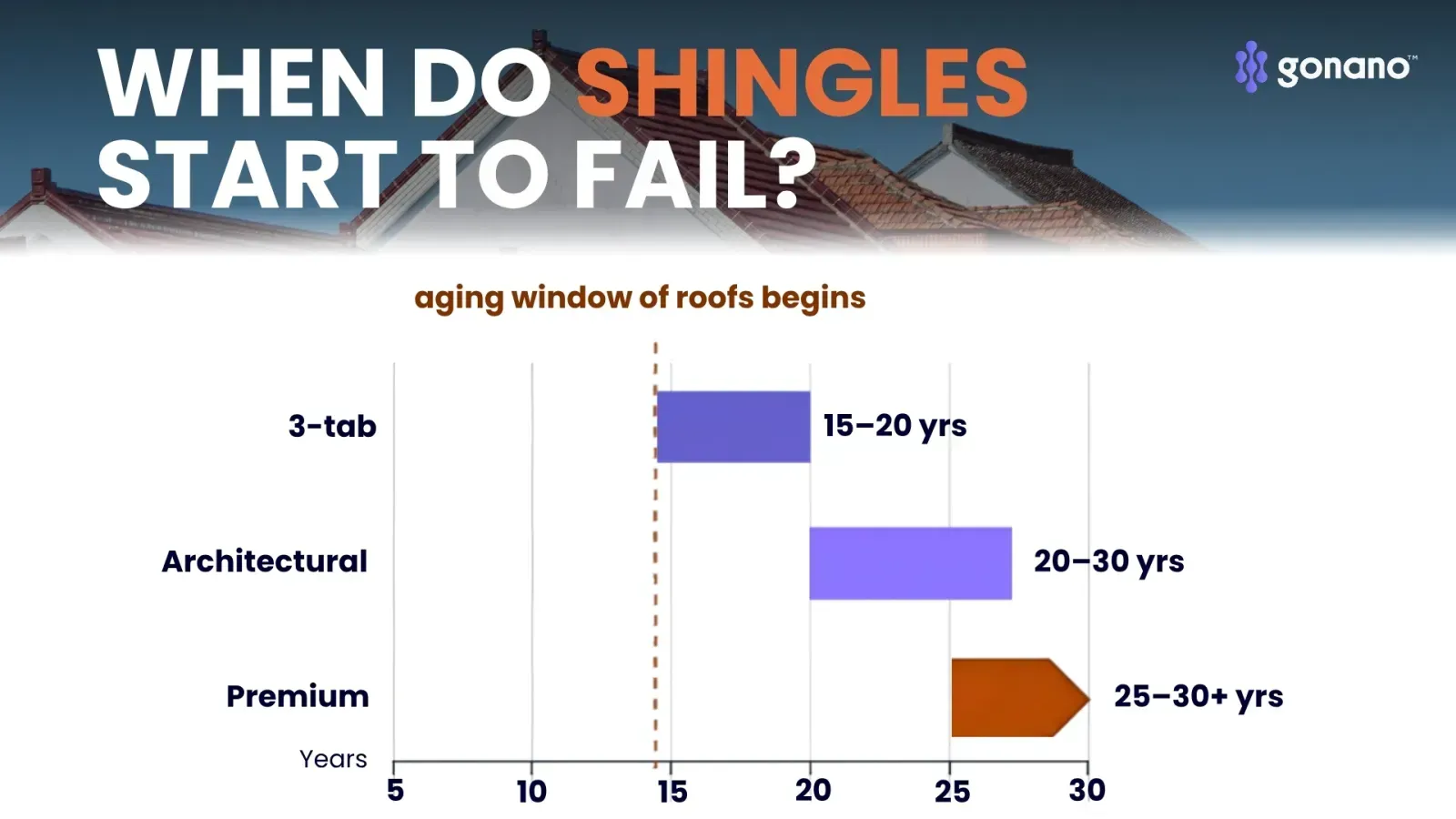
One sign people miss: rising energy bills. Granules do more than protect the asphalt, they reflect heat too. As they wear away, more sun gets absorbed into the shingle and radiates into your attic, so your AC has to work harder. Long before anything looks broken, you might just notice the bill creeping up.
None of these, on their own, means “replace now.” They mean your roof is entering the aging window, and that’s the moment to act while you still have choices.

Aging Isn't the Same as Failed, and That's the Good News

There’s a big difference between a roof that’s aging but structurally sound and a roof that has failed. A failed roof leaks, has widespread missing or broken shingles, or has rotted decking. That roof needs replacement. But an aging roof, with granule loss, brittleness, fading, and early curling while the structure is still intact, doesn’t automatically need a tear-off. This is where most homeowners are told “you need a new roof” when they actually have a far less expensive option.
That option is roof rejuvenation: instead of replacing sound-but-aging shingles, you restore them, replenishing the lost oils and, with GoNano’s Structural Roof Rejuvenation, adding nano reinforcement that bonds with the shingle at the molecular level. To find out whether your roof falls in the treatable window, see whether your roof is a candidate.

What to Do at Each Stage

01

Early Aging

Minor granule loss, slight fading. Monitor, keep gutters clear, and get a professional inspection so you have a baseline.

02

Mid Aging

Granule loss, brittleness, early curling, structure still sound. This is the sweet spot for rejuvenation. Restoring the shingles now can extend usable life for years at a fraction of replacement cost.

03

Failed

Active leaks, widespread damage, rotted deck. Replacement is the right call, and an honest contractor will tell you so.

How Rejuvenation Fits, Briefly

If your roof is in the aging-but-sound window, GoNano’s Structural Roof Rejuvenation can extend its life for years. It’s backed by more than $1 million in independent testing, including a Green Center (now Impact Chemistry) test in which a 15-year-old roof treated with NuRoof Revive outperformed a roof with brand-new shingles (see does roof rejuvenation actually work), plus UL 2218 Class 4 (impact), ASTM D3161 Class F (wind, rated to 110 mph), and UL 790 Class A (fire). A single GoNano application carries a warranty up to 20 years, 100% non-prorated on the full treatment, and it’s transferable.

The Bottom Line

Continue exploring

Structural Roof Rejuvenation works best when paired with a clear understanding of why roofs fail and what the alternatives cost. If you’re evaluating ice dam damage, you’ve likely come across everything from heat cables to full roof replacement. The guides below address the most common recommendations and explain what may actually be causing the problem.

Category Guide

September 12, 2026

What Is Structural Roof Rejuvenation? How It Restores Asphalt Shingles From Within

Structural Roof Rejuvenation

September 11, 2026

Does Roof Rejuvenation Actually Work? An Honest Comparison, Backed by Independent Testing

Structural Roof Rejuvenation

September 11, 2026

Roof Rejuvenation Cost vs. Roof Replacement: Is It Worth It?

Roof Maintenance

September 11, 2026

How Long Do Asphalt Shingles Last? Signs Your Roof Is Aging (and What to Do)

Roof Maintenance

September 11, 2026

Get Your Roof Ready for Winter:A Fall Roof-Prep Guide

Roof Replacement Costs

September 11, 2026

What Drives Roof Replacement Costs in 2026 (and How to Avoid Them)

Frequently Asked Questions

Most asphalt shingle roofs last about 15 to 30 years: roughly 15 to 20 for 3-tab shingles, 20 to 30 for architectural, and 25 to 30+ for premium, depending on climate, attic ventilation, and installation quality.
Look for granules in your gutters, faded color or bald patches, curling or cupping shingle edges, cracking or brittleness, moss or dark streaks, and exposed black shingle mat. These signal the aging window.
No. If the structure is still sound, an aging roof can often be restored rather than replaced, extending its usable life for years at a fraction of replacement cost.
Intense sun and heat, freeze-thaw cycles, poor attic ventilation, storm and wind exposure, and rushed installation all drive out the oils that keep shingles flexible, accelerating aging.
Extreme climates shorten lifespan. Repeated freeze-thaw cycles in cold regions and prolonged high heat in hot regions both accelerate the drying and cracking that age shingles, so roofs in those areas often need attention sooner.
3-tab shingles average 15 to 20 years, architectural (dimensional) shingles 20 to 30 years, and premium/designer shingles 25 to 30+ years. Harsh climates and poor ventilation shorten all of these.
A roof that is actively leaking, has widespread missing or broken shingles, or has rotted decking needs replacement. A roof that is aging but structurally sound, with granule loss, brittleness, and fading, is often a candidate for rejuvenation instead.
Yes. Roof rejuvenation replenishes the oils aging shingles lose; GoNano’s system adds nano reinforcement on top and is backed by independent testing, with a warranty up to 20 years on the full treatment.
A little granule loss is normal, especially early on and right after installation. Heavy or ongoing granule loss, enough to collect in gutters, is a sign the roof is aging and worth a professional look.
Get a professional assessment before deciding anything. A Certified GoNano Contractor can tell you whether your roof is still in the treatable window or has reached the point where replacement is the right call.

Find a Certified Contractor Near You

Secure your roof’s future with the world’s only Structural Roof Rejuvenation technology.