Get Your Roof Ready for Winter:A Fall Roof-Prep Guide

G

By refinedsurfaces

Last updated: September 11, 2026

Enjoyed This Guide? Add GoNano As A Preferred Source On Google To See More Like It.
The best time to prepare an asphalt roof for winter is fall, while it’s dry and mild enough to fix problems before freeze-thaw cycles turn small cracks into leaks. A good fall prep means clearing debris, checking for aging and damage, confirming your attic is ventilated, and, if your shingles are aging and brittle, restoring their flexibility before the cold sets in. Here’s the checklist and the why behind it.

Why Winter Is Hard on Asphalt Roofs

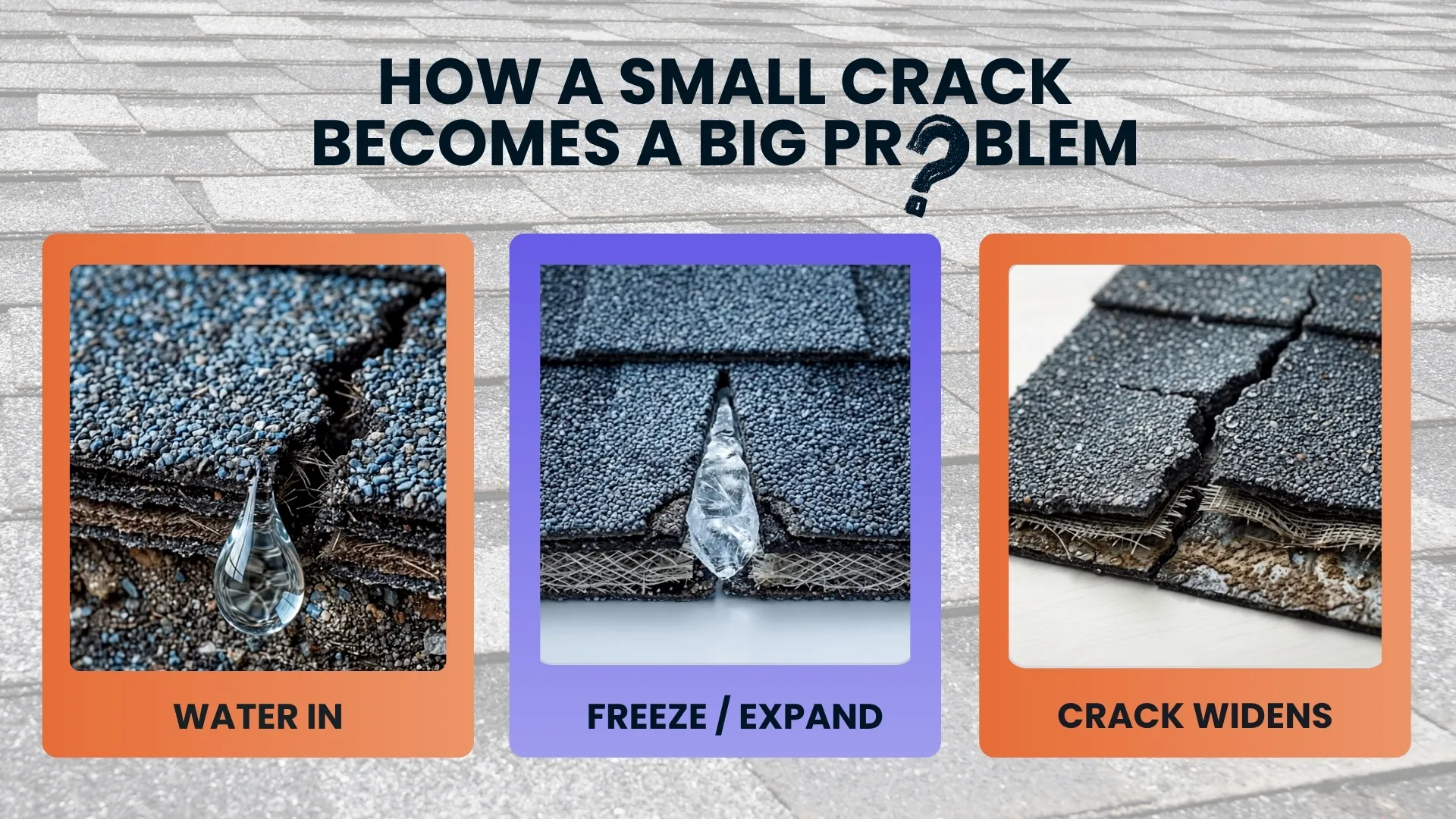
Cold weather doesn’t just sit on your roof, it works against it. Water seeps into tiny cracks and gaps, freezes, expands, and pries those cracks wider; then it thaws and does it again. Over a winter, those repeated freeze-thaw cycles can turn a hairline crack into a real leak. Add wind, snow load, and ice, and winter is the season most likely to expose a roof’s weak points. Aging shingles that have lost their flexibility are the most vulnerable of all, because brittle shingles crack instead of flex, and there is independent testing behind it.

Your Fall Roof-Prep Checklist

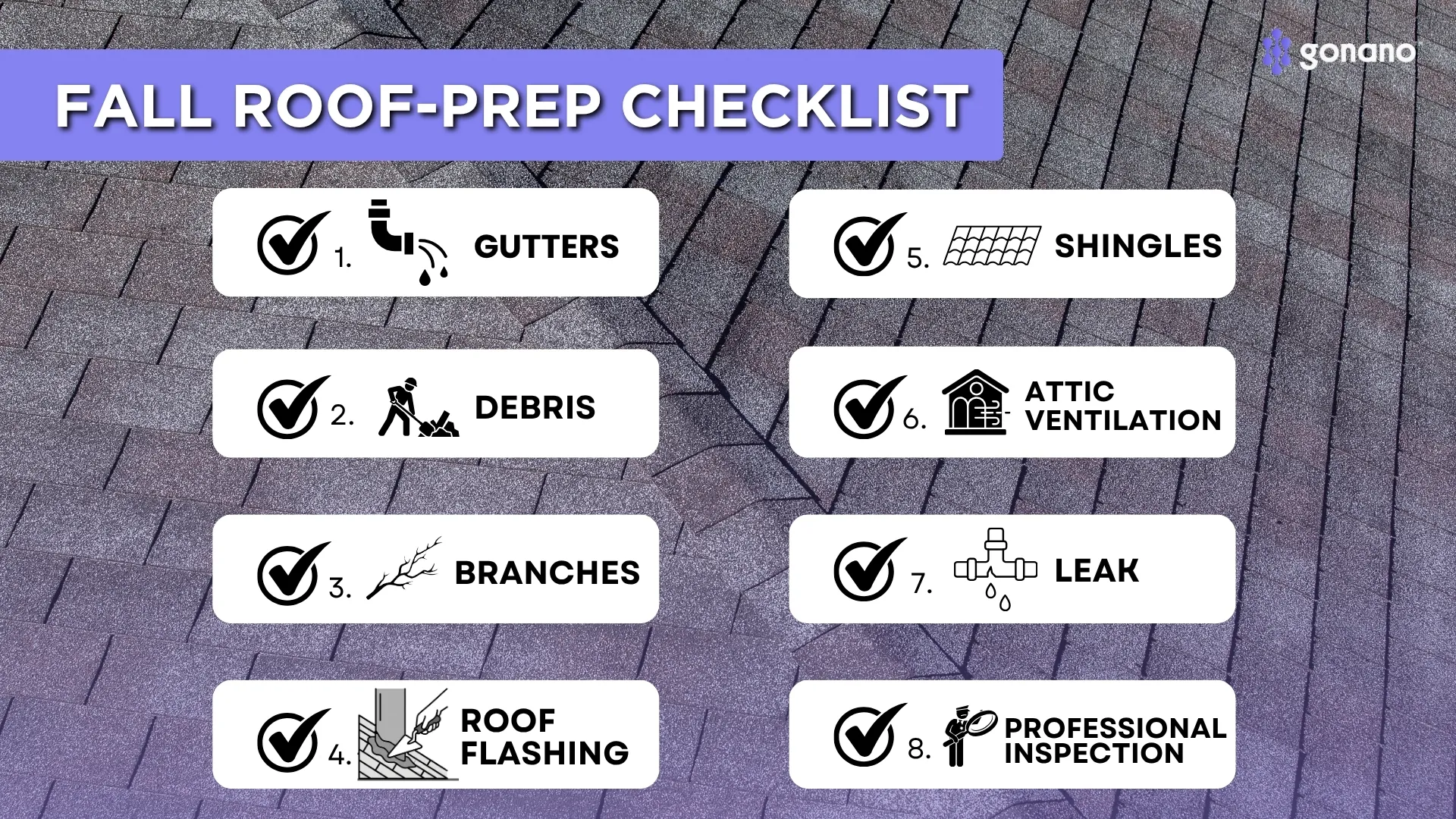
Work through these before the first hard freeze:

01

Clear gutters and downspouts.

Clogged gutters trap water that freezes and backs up under shingles.

02

Remove roof debris

Leaves and branches hold moisture against the shingles.

03

Trim overhanging branches

They break under ice and snow and scrape granules off shingles.

04

Check flashing and seals

Around chimneys, vents, and valleys, the usual leak points.

05

Inspect the shingles

Look for granule loss, curling or cupping, cracks, and brittleness.

06

Check attic insulation and ventilation

Poor ventilation is the main cause of ice dams (more below).
07

Look for existing leaks or soft spots

Water stains on the ceiling or a spongy roof deck need attention now, not in January.

08

Book a professional inspection

A trained eye catches what you can’t see from the ground.

The Freeze-Thaw Problem, and Why Aging Shingles Suffer Most

Asphalt shingles rely on petrochemical oils to stay flexible. As a roof ages, those oils deplete and the shingles dry out and stiffen. That’s one of the clearest signs your roof is aging. A flexible shingle can move slightly with temperature swings; a brittle one can’t, so when freeze-thaw cycles push and pull on it, it cracks. That’s why the same winter that a newer roof shrugs off can crack an older one. Restoring flexibility before winter is one of the most effective things you can do for an aging-but-sound roof.

Ice Dams: What They Are and How to Prevent Them

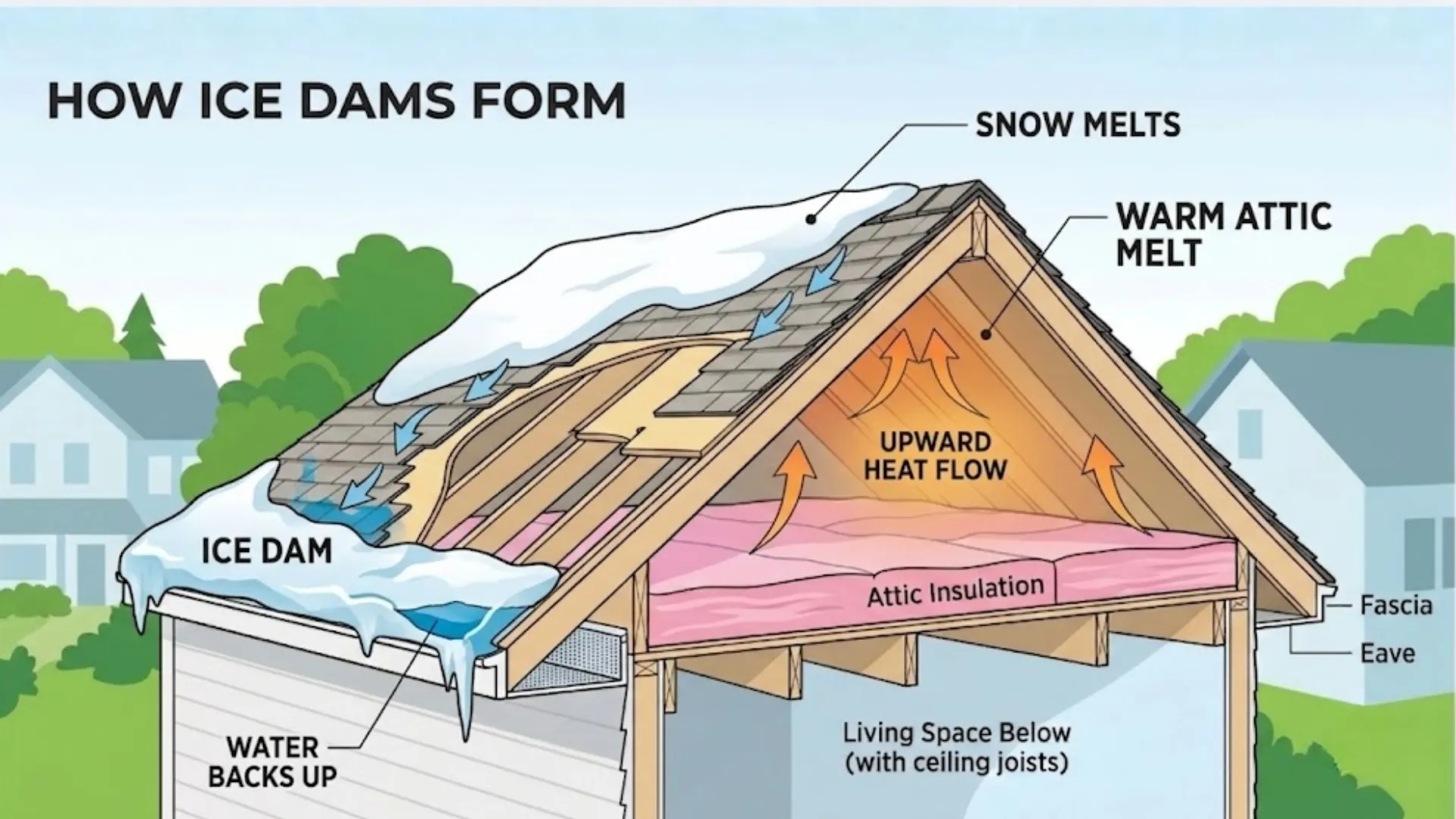
An ice dam forms when heat escaping into your attic melts snow on the upper roof, the meltwater runs down to the cold eaves and refreezes, and the growing ridge of ice then traps water that backs up under the shingles. The fix is mostly about the attic, not the roof surface: proper insulation and ventilation keep the roof deck cold and even, so snow melts uniformly instead of refreezing at the edges. Keeping gutters clear helps too.

Should You Treat Your Roof Before Winter?

If your roof is aging but structurally sound, fall is an ideal window to rejuvenate it, restoring the flexibility that helps shingles flex through freeze-thaw cycles instead of cracking. GoNano’s Structural Roof Rejuvenation replenishes the oils aging shingles lose and adds nano reinforcement that bonds with the shingle at the molecular level. It’s applied in dry conditions above freezing, so scheduling before the deep cold matters.

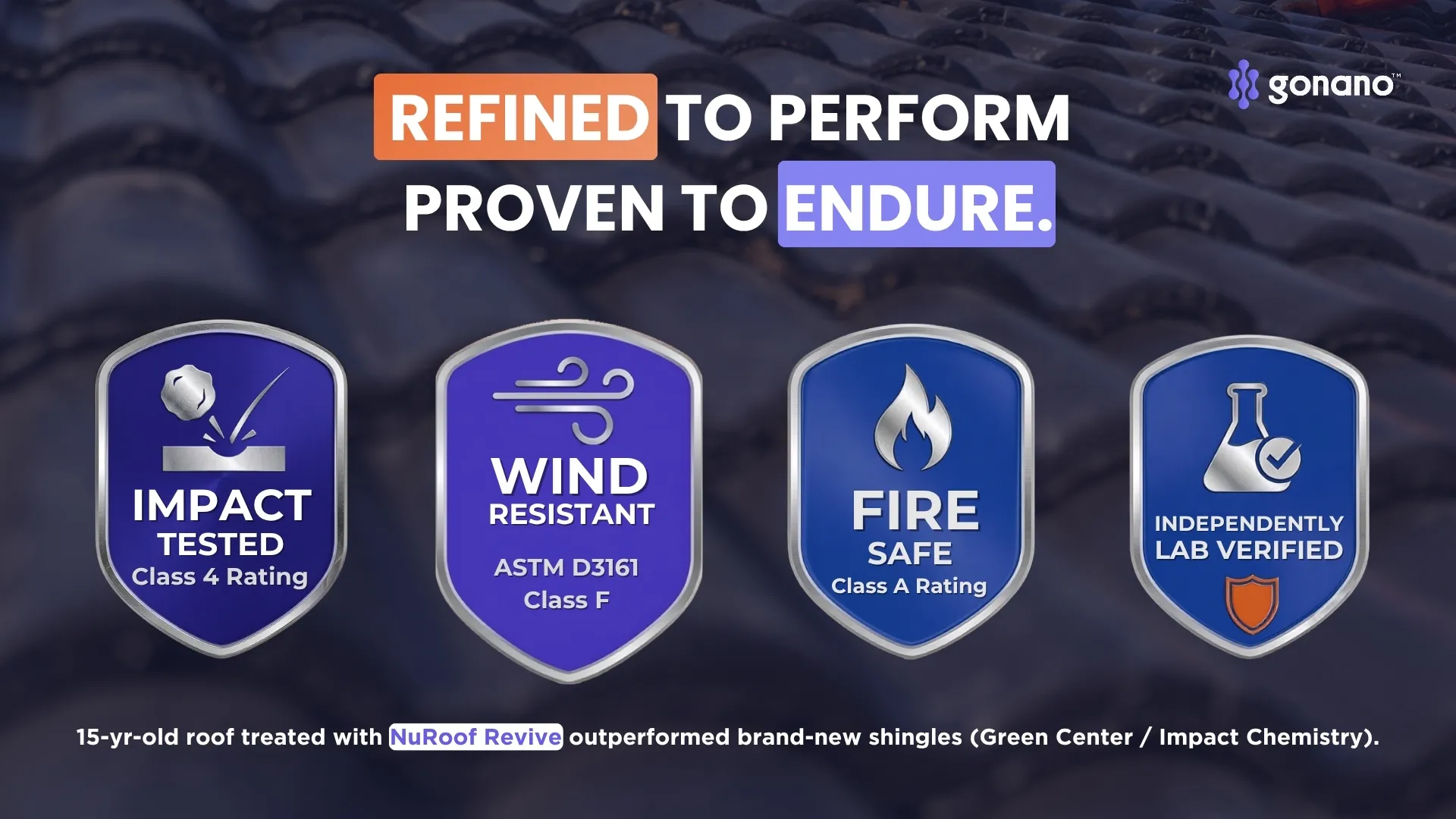
The system is backed by more than $1 million in independent testing, including a Green Center (now Impact Chemistry) test in which a 15-year-old roof treated with NuRoof Revive outperformed a roof with brand-new shingles, plus UL 2218 Class 4 (impact), ASTM D3161 Class F (wind, rated to 110 mph), and UL 790 Class A (fire). A single GoNano application carries a warranty up to 20 years, 100% non-prorated on the full treatment, and transferable. A Certified GoNano Contractor can tell you whether your roof is a candidate.
The Bottom Line

Winter finds every weak spot in a roof, and aging shingles are the weakest. Do the fall checklist, fix the small stuff now, and if your shingles are drying out, restore them before the freeze-thaw season rather than after it does damage.

Continue exploring

Structural Roof Rejuvenation works best when paired with a clear understanding of why roofs fail and what the alternatives cost. If you’re evaluating ice dam damage, you’ve likely come across everything from heat cables to full roof replacement. The guides below address the most common recommendations and explain what may actually be causing the problem.

Category Guide

September 12, 2026

What Is Structural Roof Rejuvenation? How It Restores Asphalt Shingles From Within

Structural Roof Rejuvenation

September 11, 2026

Does Roof Rejuvenation Actually Work? An Honest Comparison, Backed by Independent Testing

Structural Roof Rejuvenation

September 11, 2026

Roof Rejuvenation Cost vs. Roof Replacement: Is It Worth It?

Roof Maintenance

September 11, 2026

How Long Do Asphalt Shingles Last? Signs Your Roof Is Aging (and What to Do)

Roof Maintenance

September 11, 2026

Get Your Roof Ready for Winter:A Fall Roof-Prep Guide

Roof Replacement Costs

September 11, 2026

What Drives Roof Replacement Costs in 2026 (and How to Avoid Them)

Frequently Asked Questions

Clear gutters and roof debris, trim overhanging branches, check flashing and seals, inspect shingles for aging and damage, confirm your attic is insulated and ventilated, and book a professional inspection, all before the first hard freeze.
Gutters and downspouts cleared, debris removed, branches trimmed, flashing checked, shingles inspected for granule loss and cracks, attic ventilation confirmed, existing leaks addressed, and a professional inspection scheduled.
An ice dam is a ridge of ice at the roof edge that traps meltwater, which backs up under the shingles. Prevent it mainly with good attic insulation and ventilation so the roof stays evenly cold, plus clear gutters.
Yes, and fall is a good time. Restoring flexibility before freeze-thaw season helps aging shingles flex instead of crack. It’s applied in dry conditions above freezing, so schedule before the deep cold.
Poor attic ventilation lets heat melt snow unevenly, which refreezes at the eaves and forms ice dams. Proper ventilation keeps the roof deck evenly cold so snow melts uniformly.
Early to mid fall, while it’s still dry and mild. That gives you time to fix problems and, if needed, treat aging shingles before freeze-thaw season begins.
Water seeps into small cracks, freezes and expands to widen them, then thaws, and the whole cycle repeats all winter. Aging, brittle shingles crack under this cycle instead of flexing, which can turn hairline cracks into leaks.
Yes. Aging shingles have lost the oils that keep them flexible, so they crack more easily in freeze-thaw cycles. They benefit most from inspection and, where appropriate, rejuvenation before winter.
Not if it’s scheduled before hard freezes. Treatment needs dry conditions and temperatures above freezing to penetrate properly, which is why fall, not mid-winter, is the window.

Find a Certified Contractor Near You

Secure your roof’s future with the world’s only Structural Roof Rejuvenation technology.